Will I go to heaven
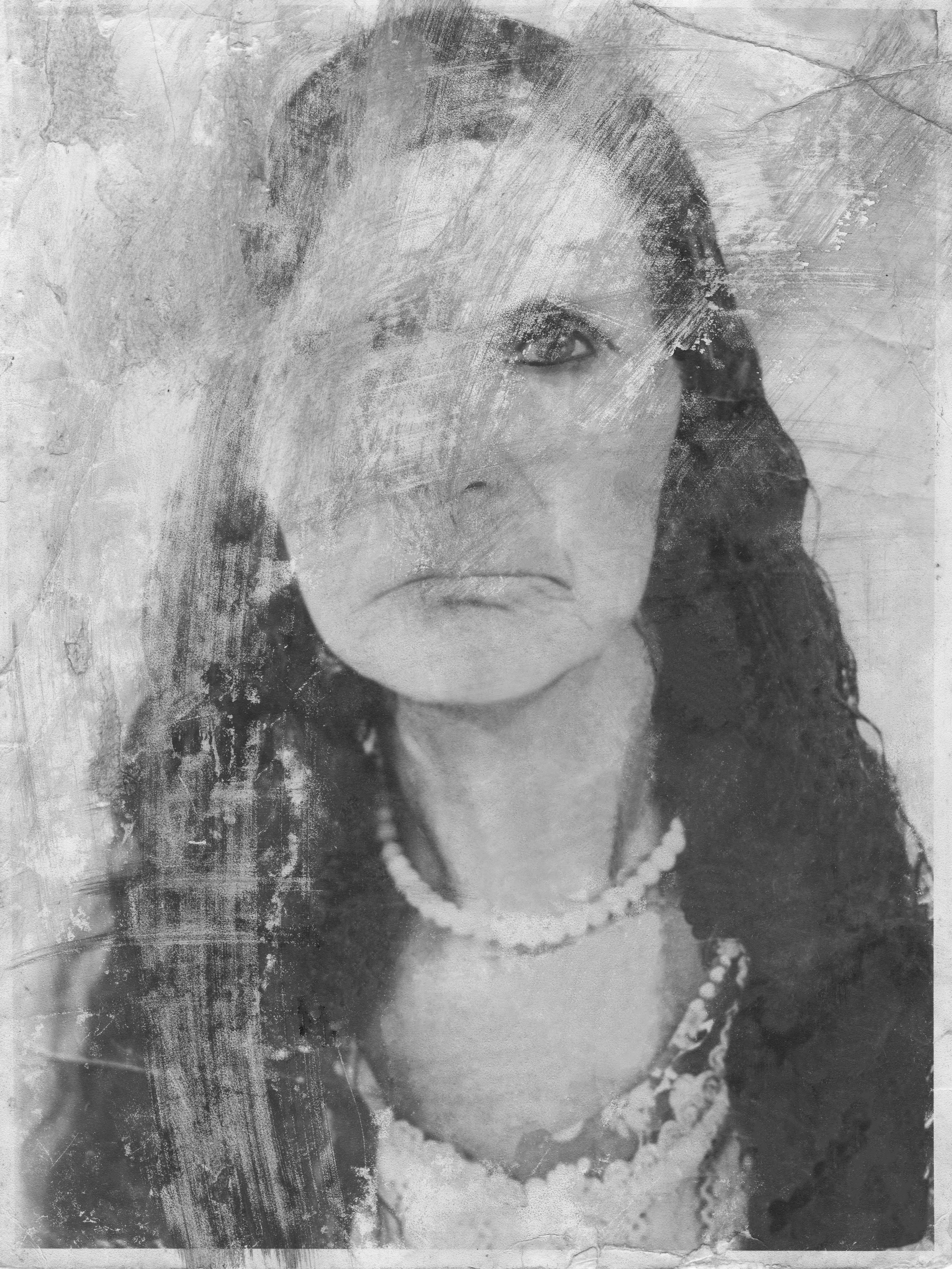
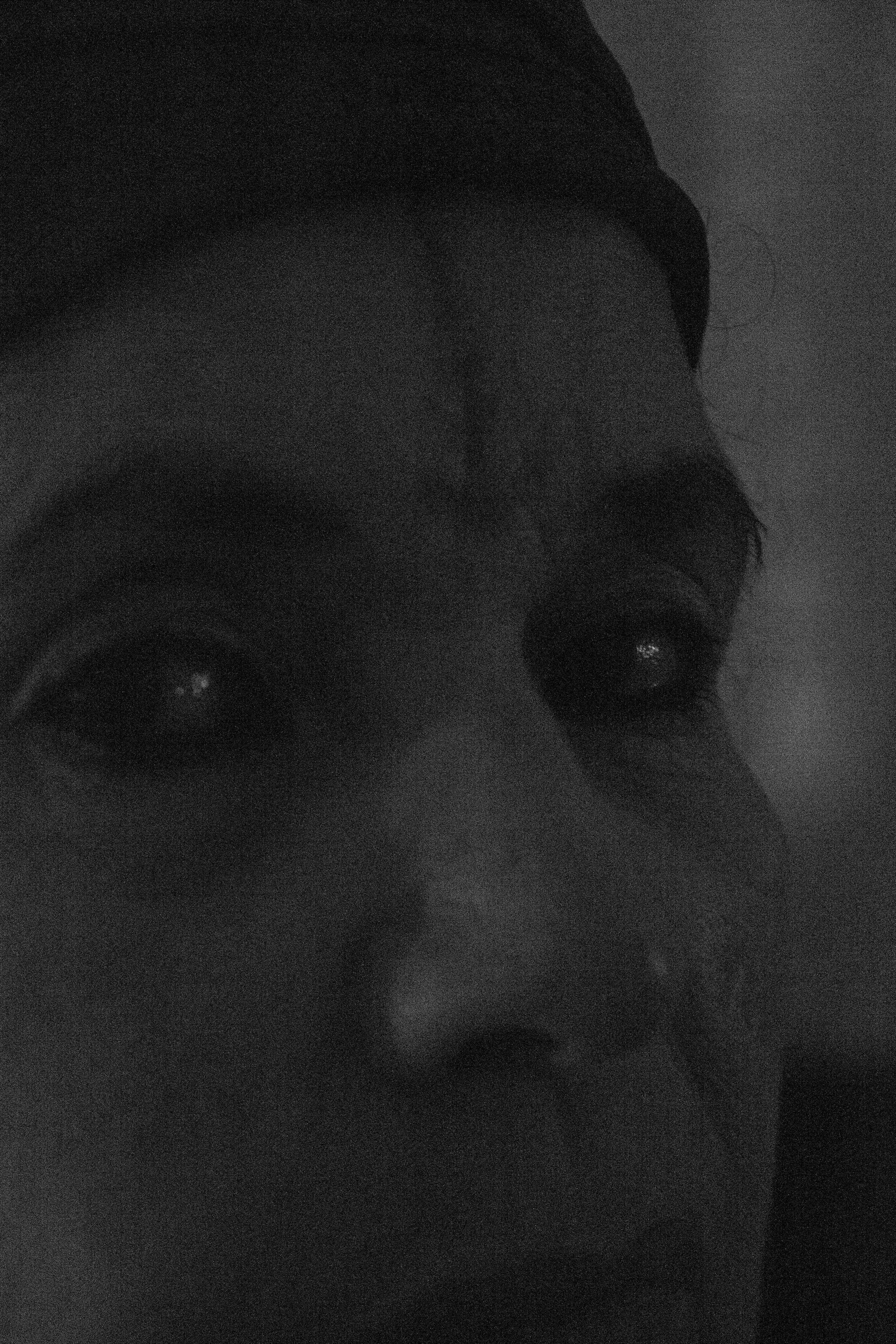
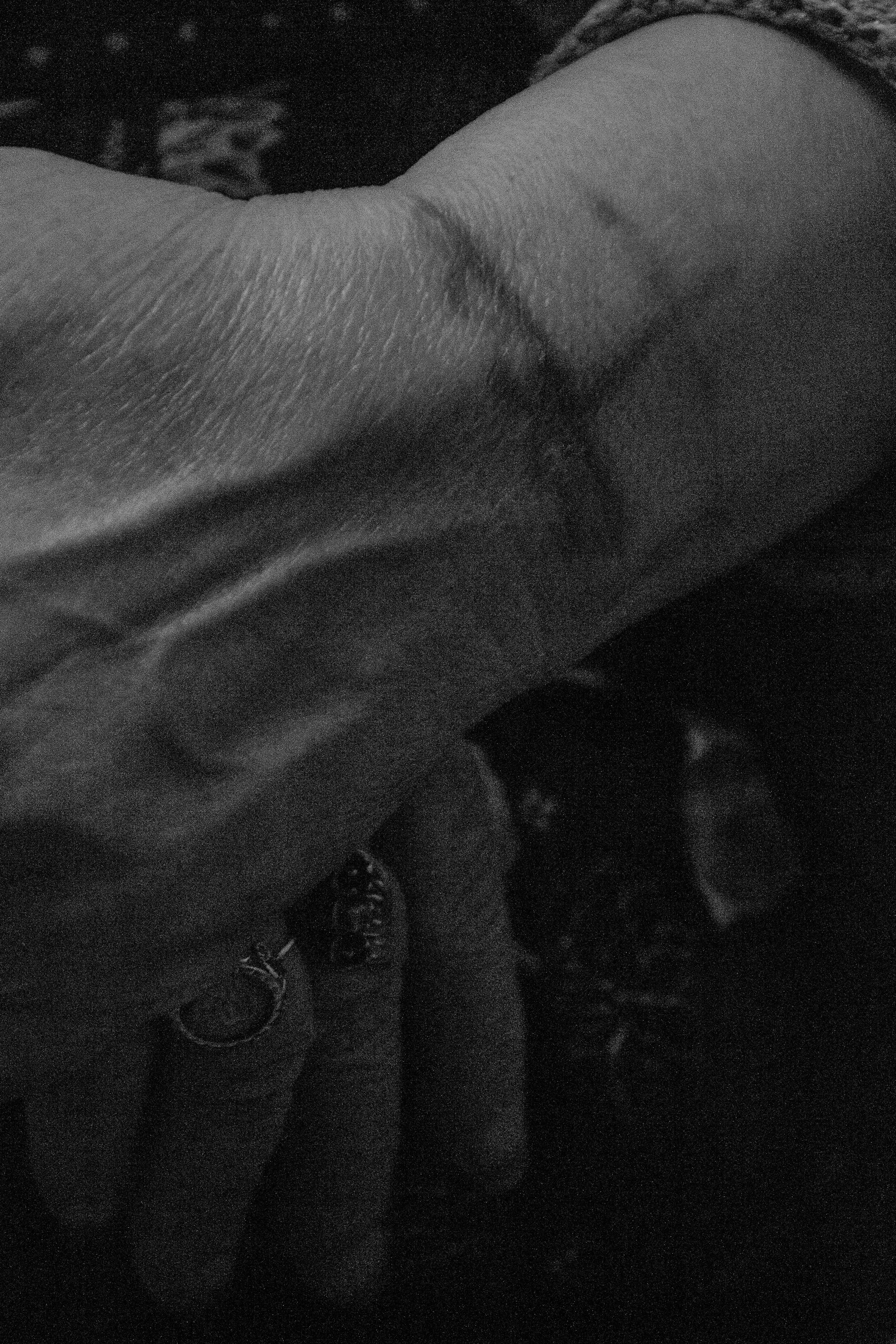
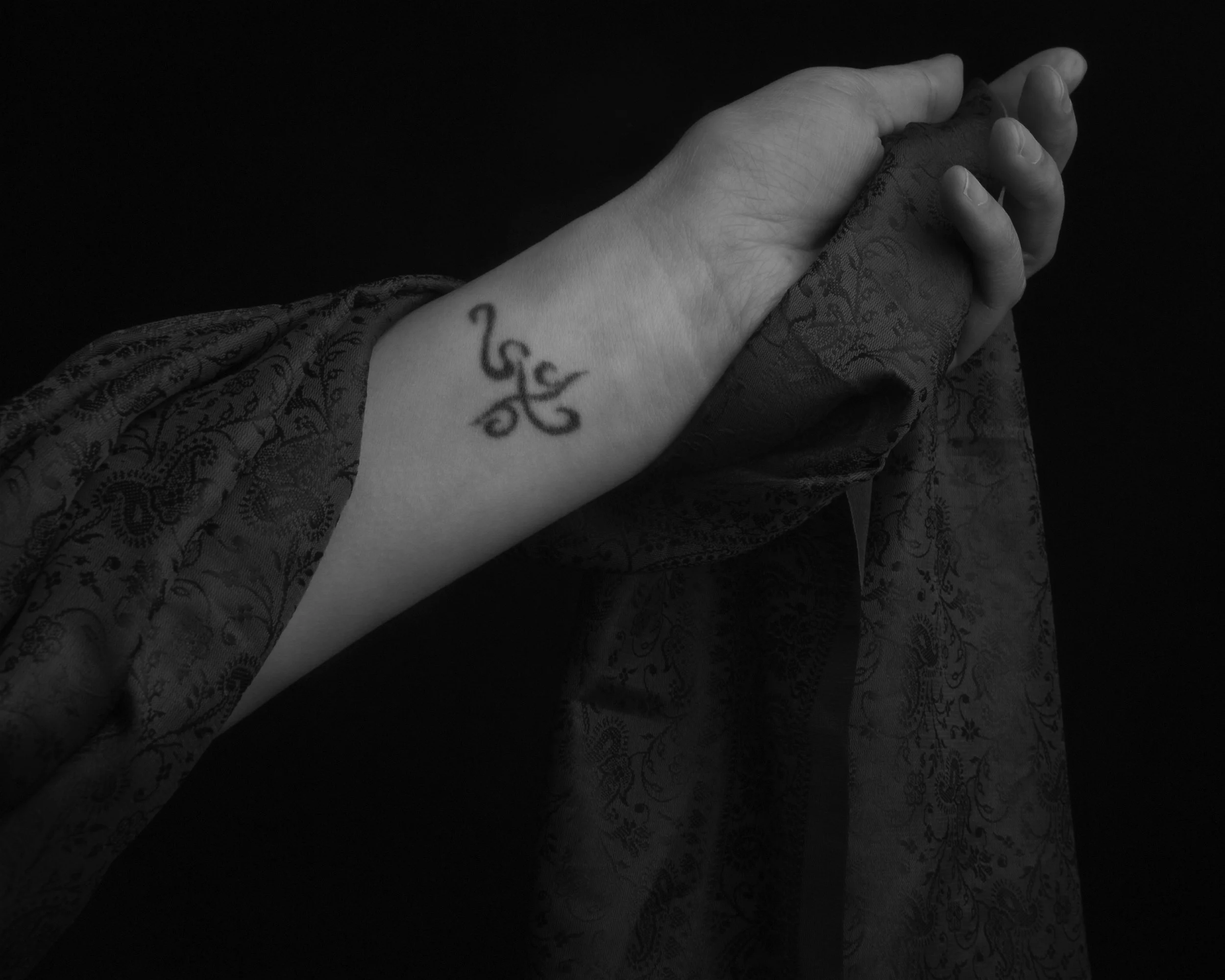
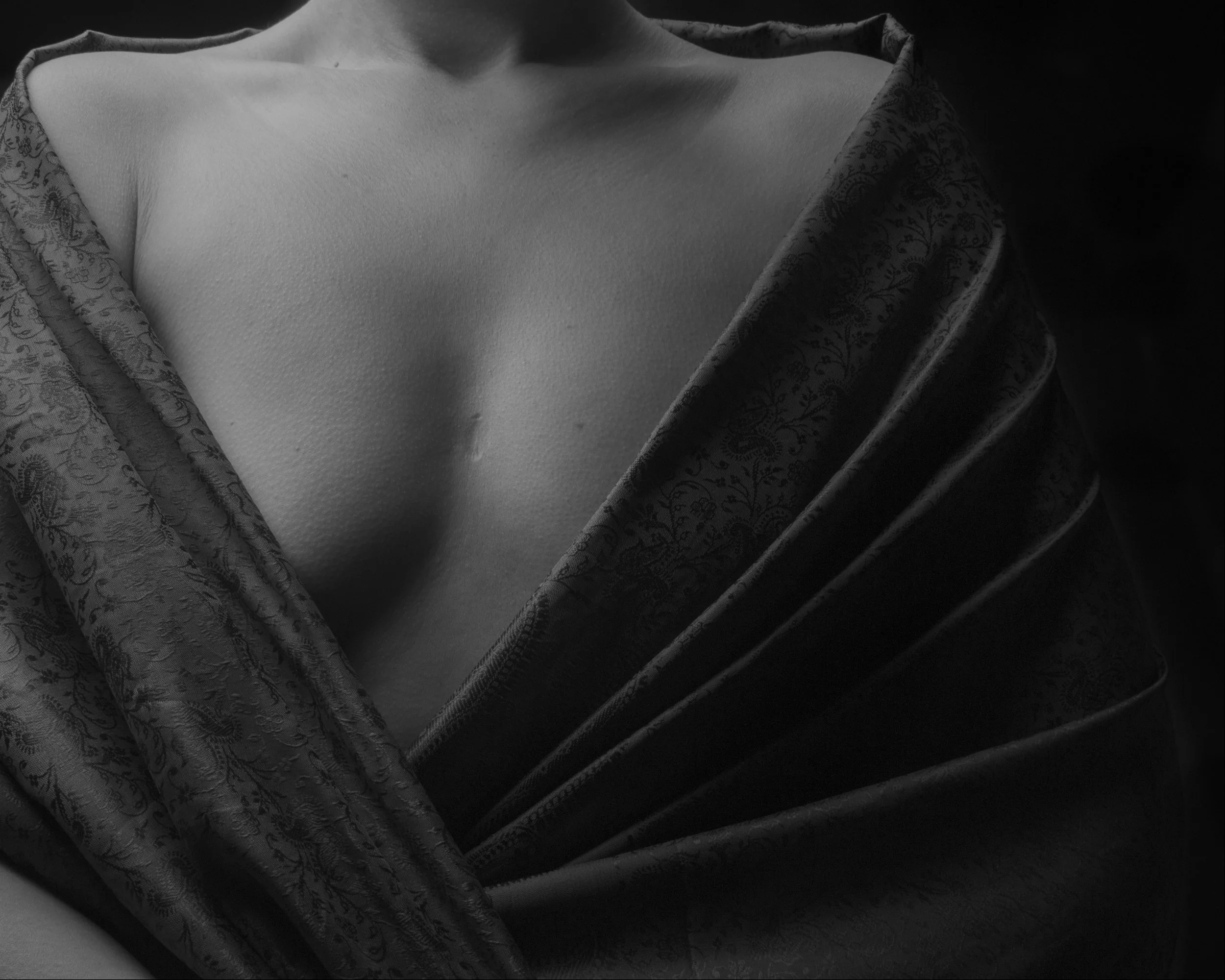
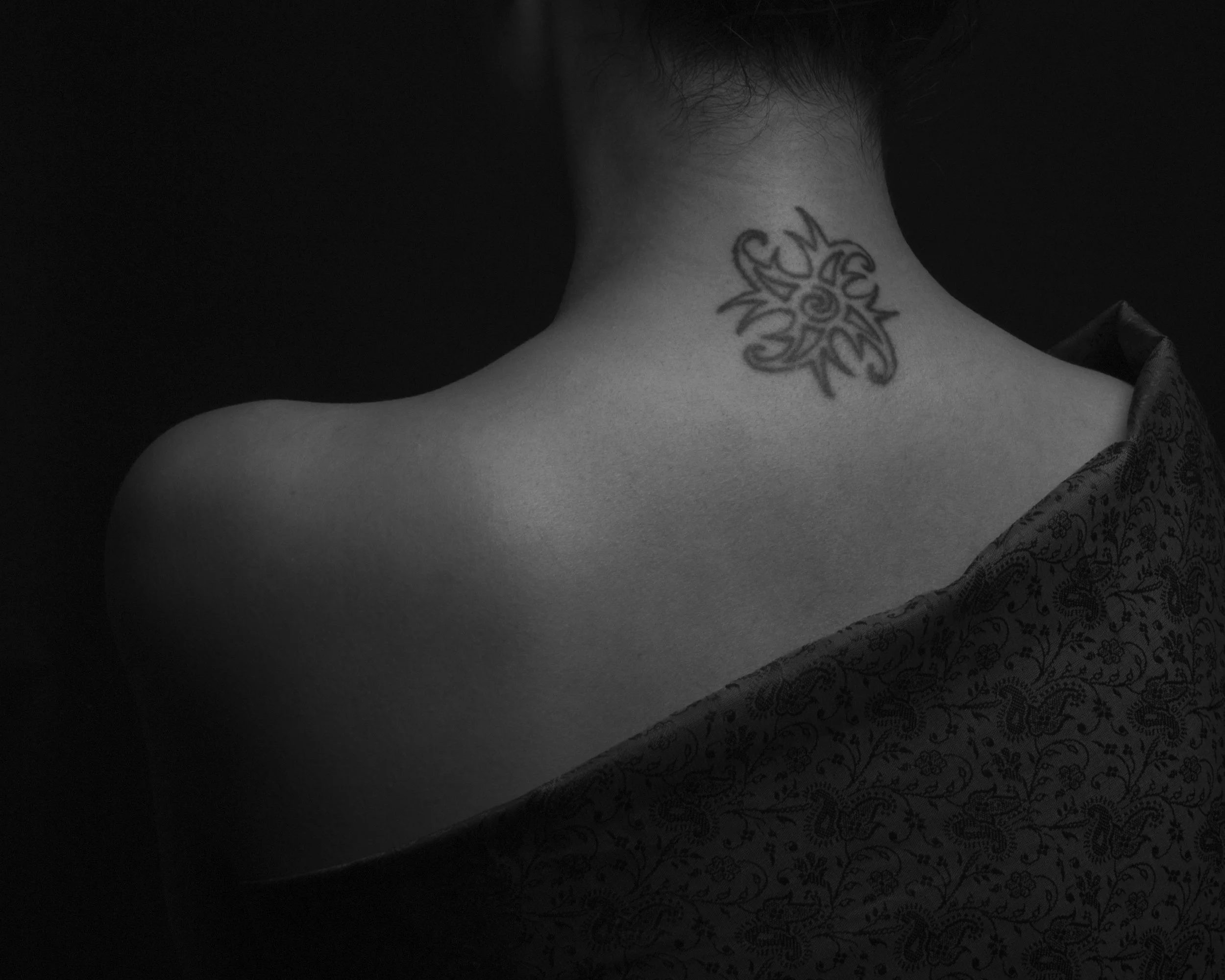
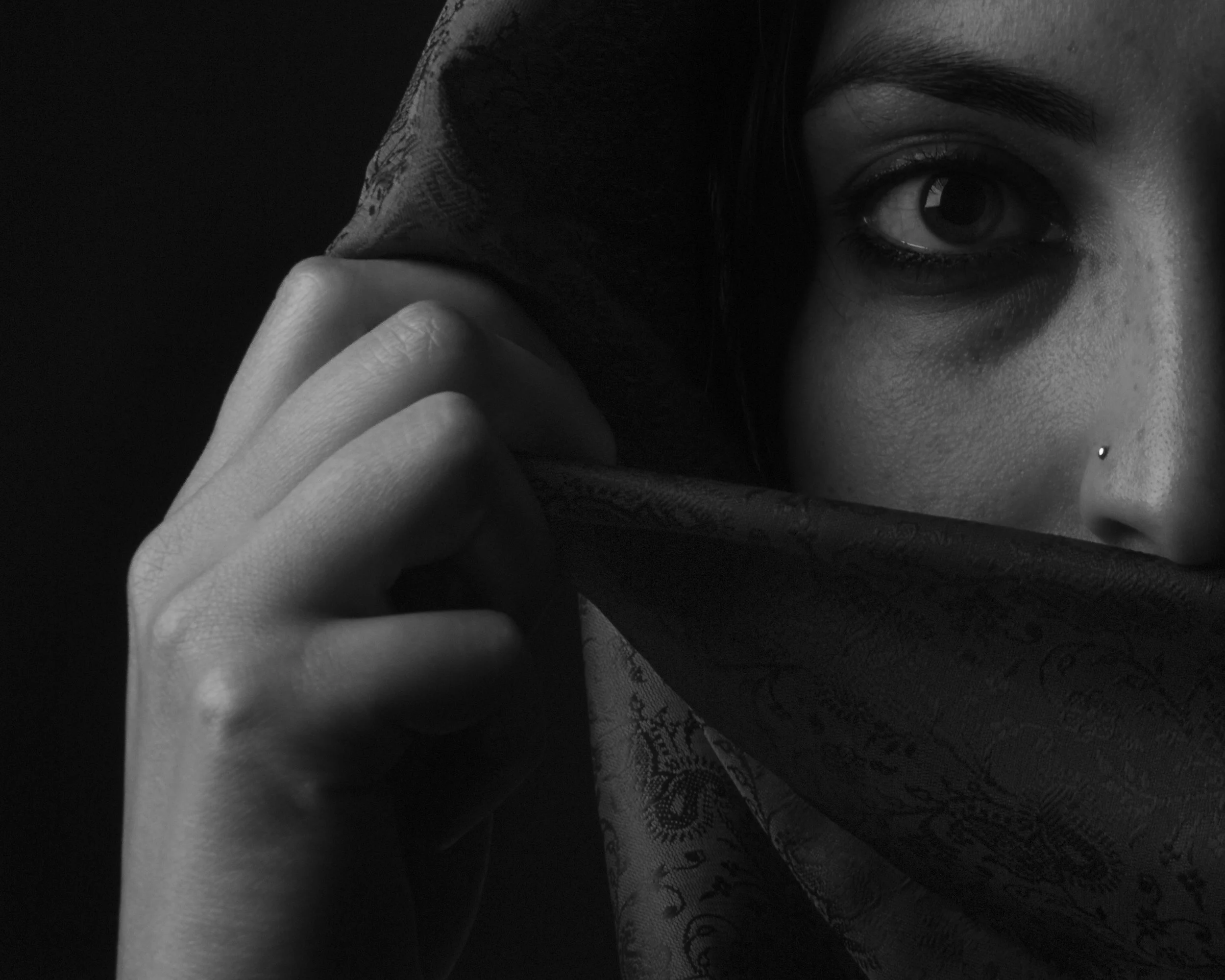
Will I go to heaven interroge la dimension politique, spirituelle et transgressive de l’inscription cutanée sur le corps féminin. Né d’une recherche sur l'histoire des pratiques esthétiques algériennes, le projet fait dialoguer les modifications corporelles — tatouages, marques et scarifications — à travers trois générations de femmes d'une même lignée.
La série envisage le derme comme une archive vivante et un espace de sédition. En confrontant ces signes ancestraux ou contemporains aux dogmes religieux et aux jugements sociétaux qui condamnent la modification du corps, la question éponyme Will I go to heaven s'émancipe de l'angoisse intime pour devenir une interpellation conceptuelle. Les images construisent une tension entre le sacré et le profane, entre l'autorité des récits dogmatiques et la souveraineté du corps féminin. À travers un vocabulaire plastique épuré et des tirages à l'esthétique fragmentaire, la photographie opère ici comme une écriture réparatrice : une liturgie visuelle où le corps marqué n'est plus le lieu du péché, mais le dépositaire d'une mémoire sacrée et insoumise.
Will I go to heaven questions the political, spiritual, and transgressive dimensions of cutaneous inscriptions on the female body. Rooted in research into Algerian aesthetic traditions, the project initiates a dialogue around bodily modifications—tattoos, marks, and piercings—across three generations of women from the same lineage.
The series approaches the dermis as a living archive and a site of sedition. By confronting these ancestral and contemporary signs with the religious dogmas and societal judgments that condemn bodily modification, the title question, Will I go to heaven, untethers itself from personal anxiety to become a conceptual interrogation. The images establish a profound tension between the sacred and the profane, between the authority of dogmatic narratives and the sovereignty of the female body. Through a refined visual vocabulary and a fragmented aesthetic, photography operates here as a form of restorative writing—a visual liturgy wherein the marked body is no longer a site of transgression, but the vessel of a sacred, unyielding memory.