Pâture
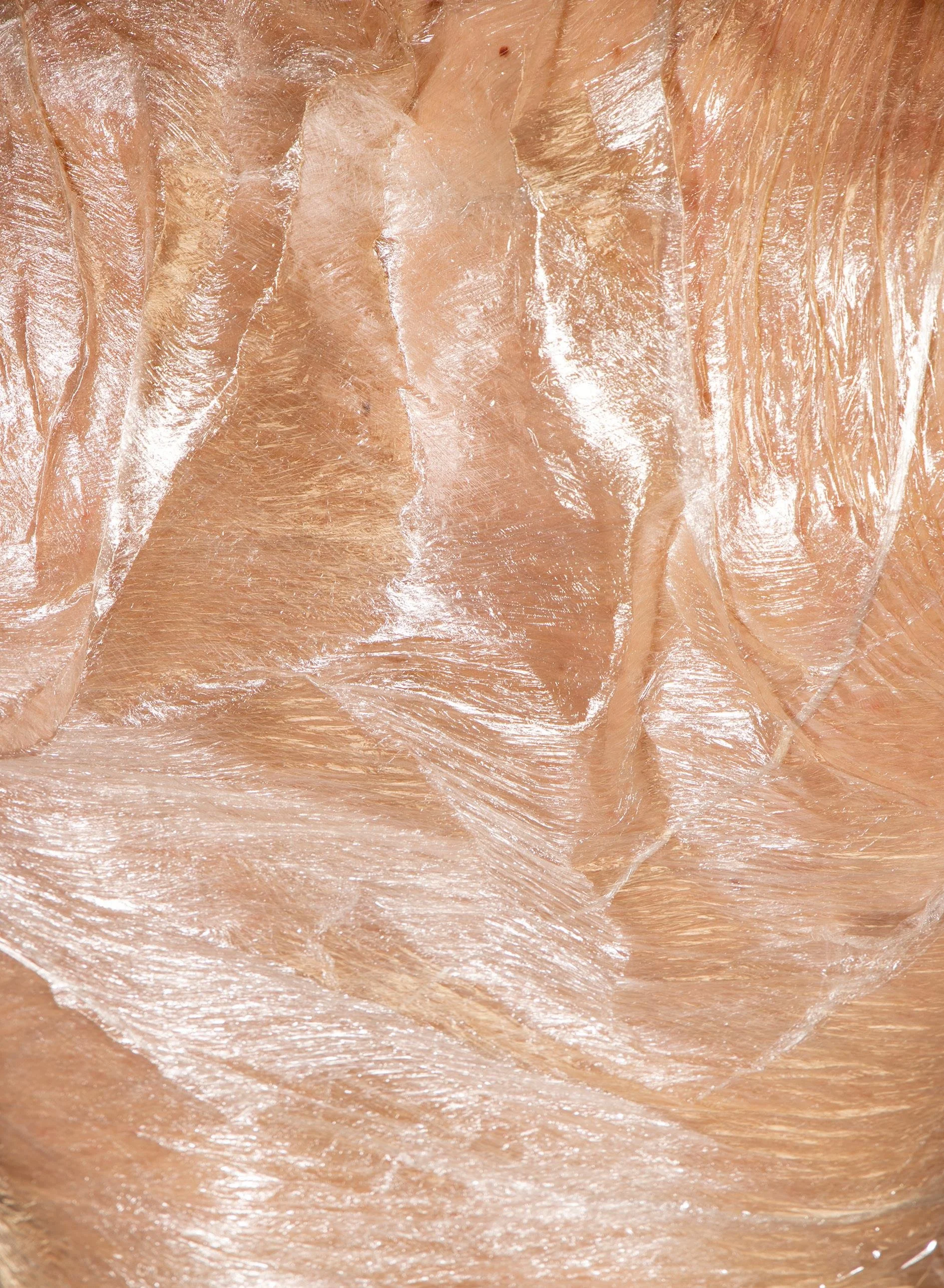
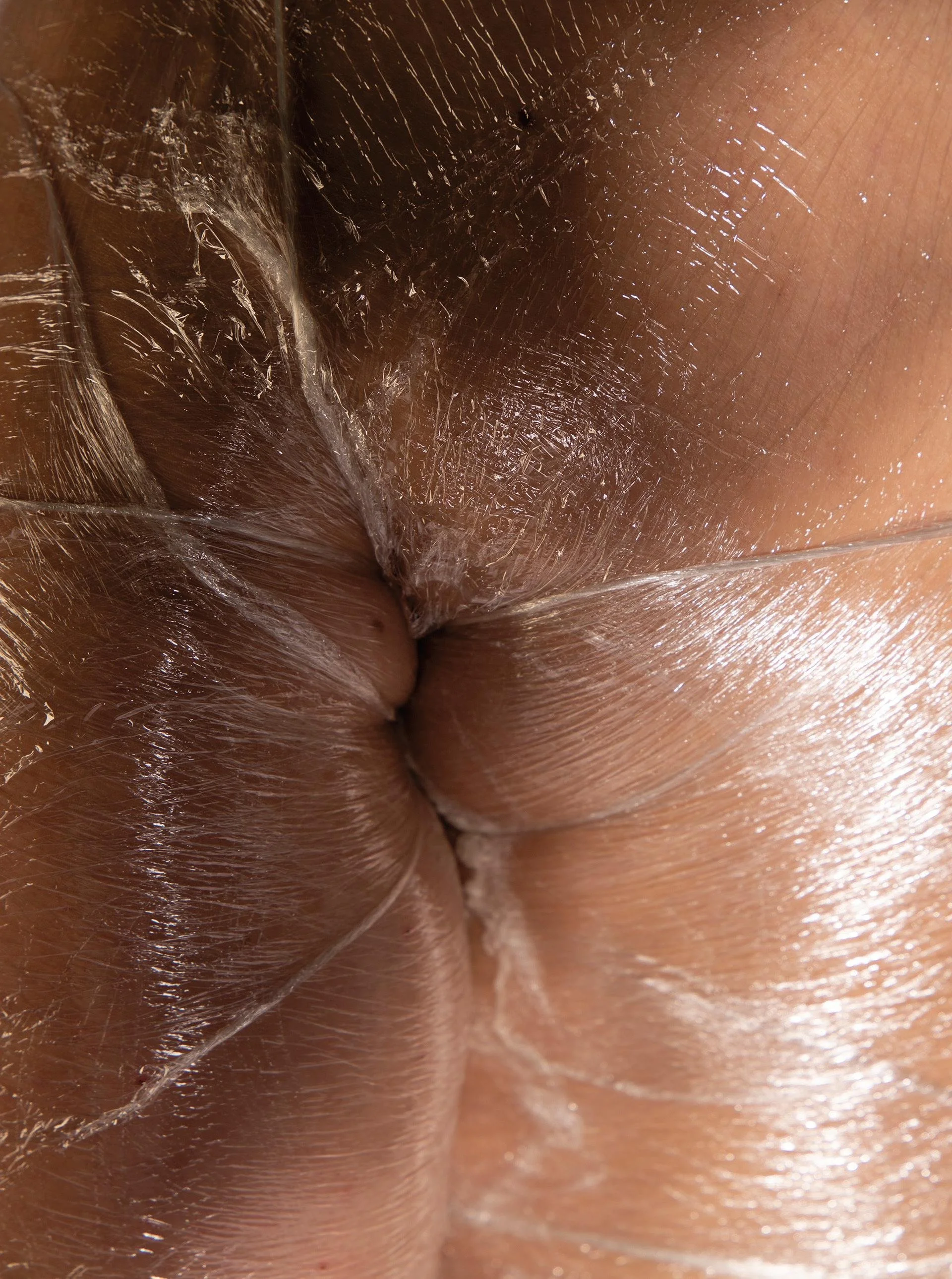
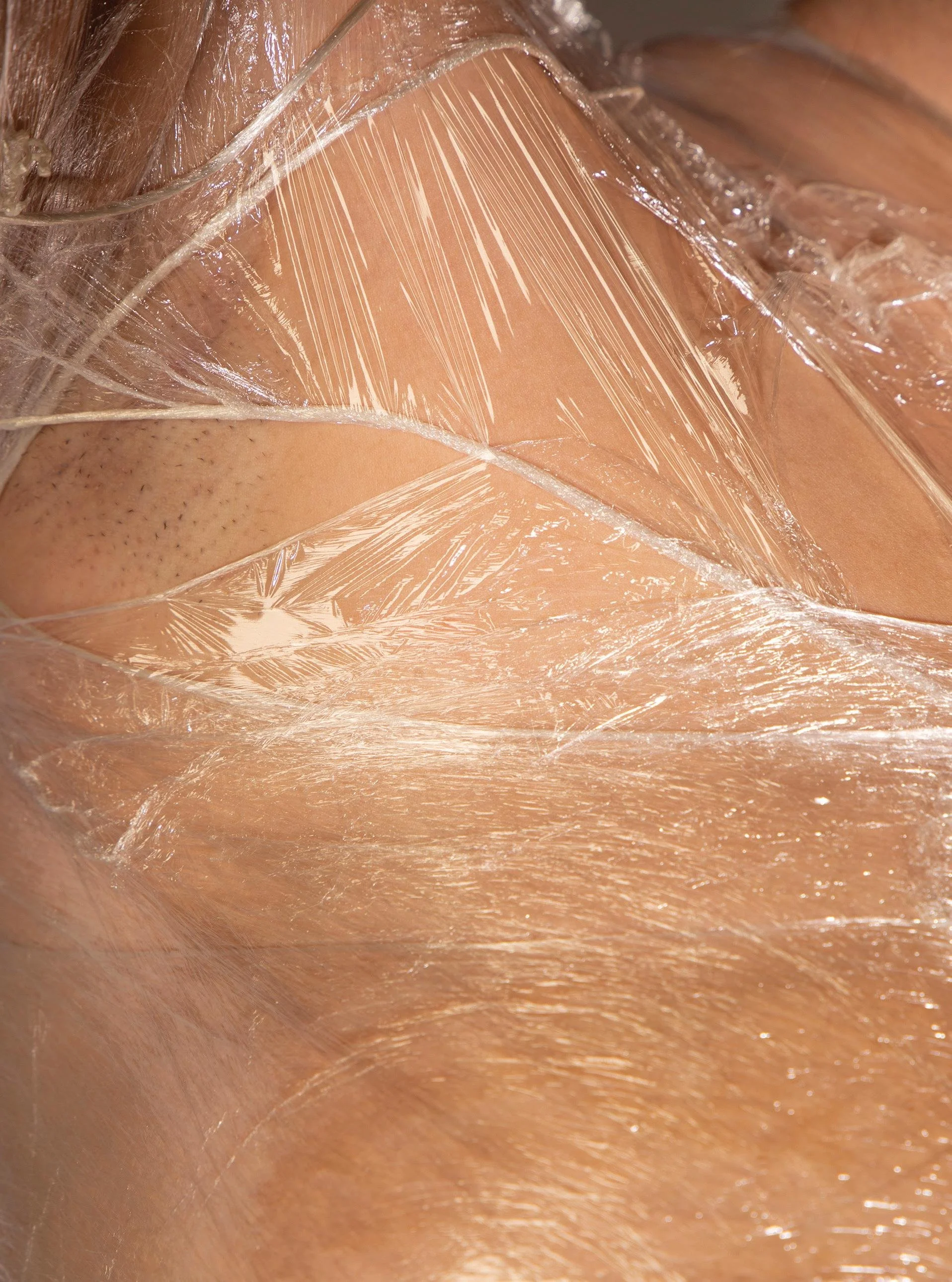
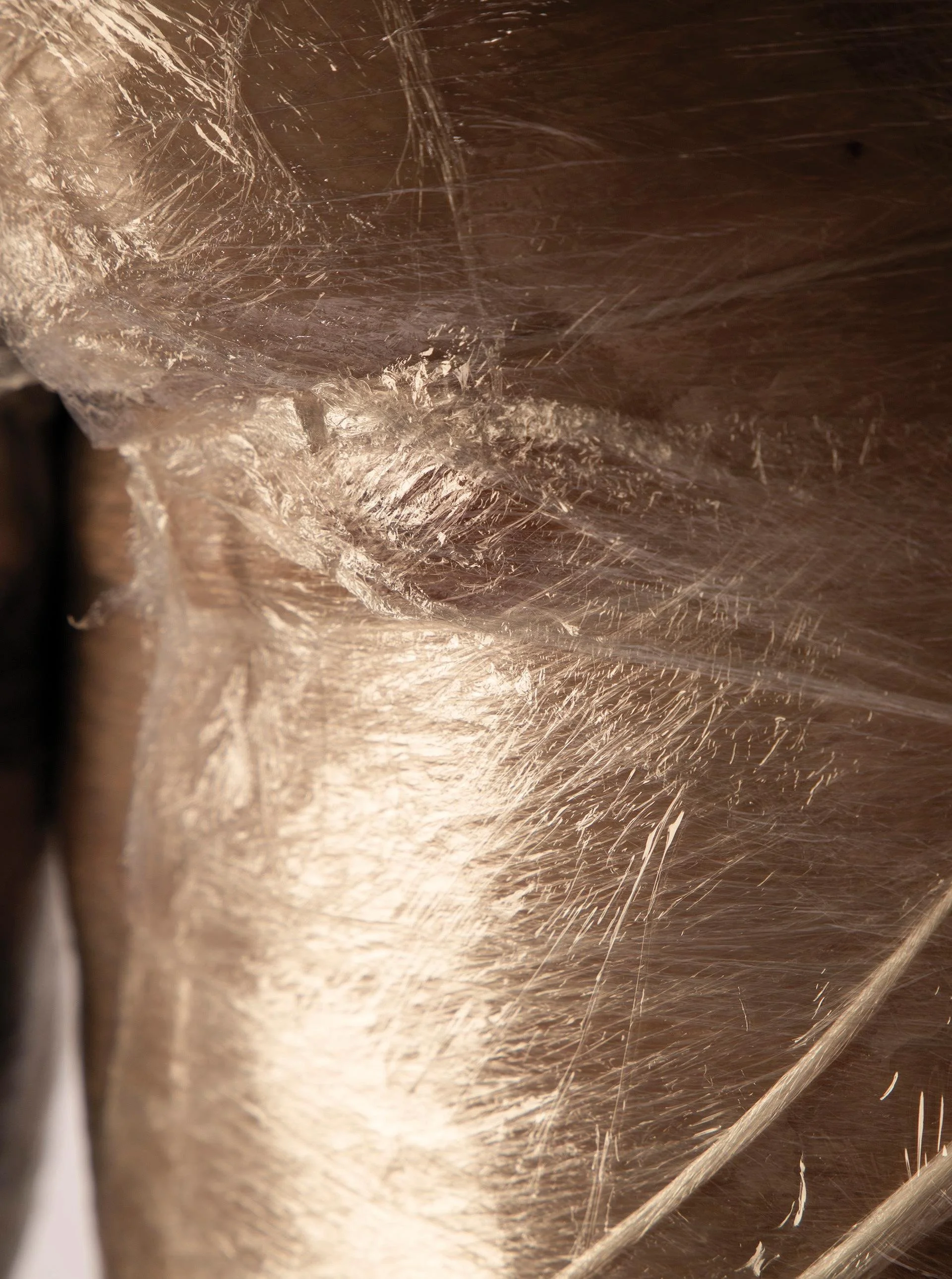
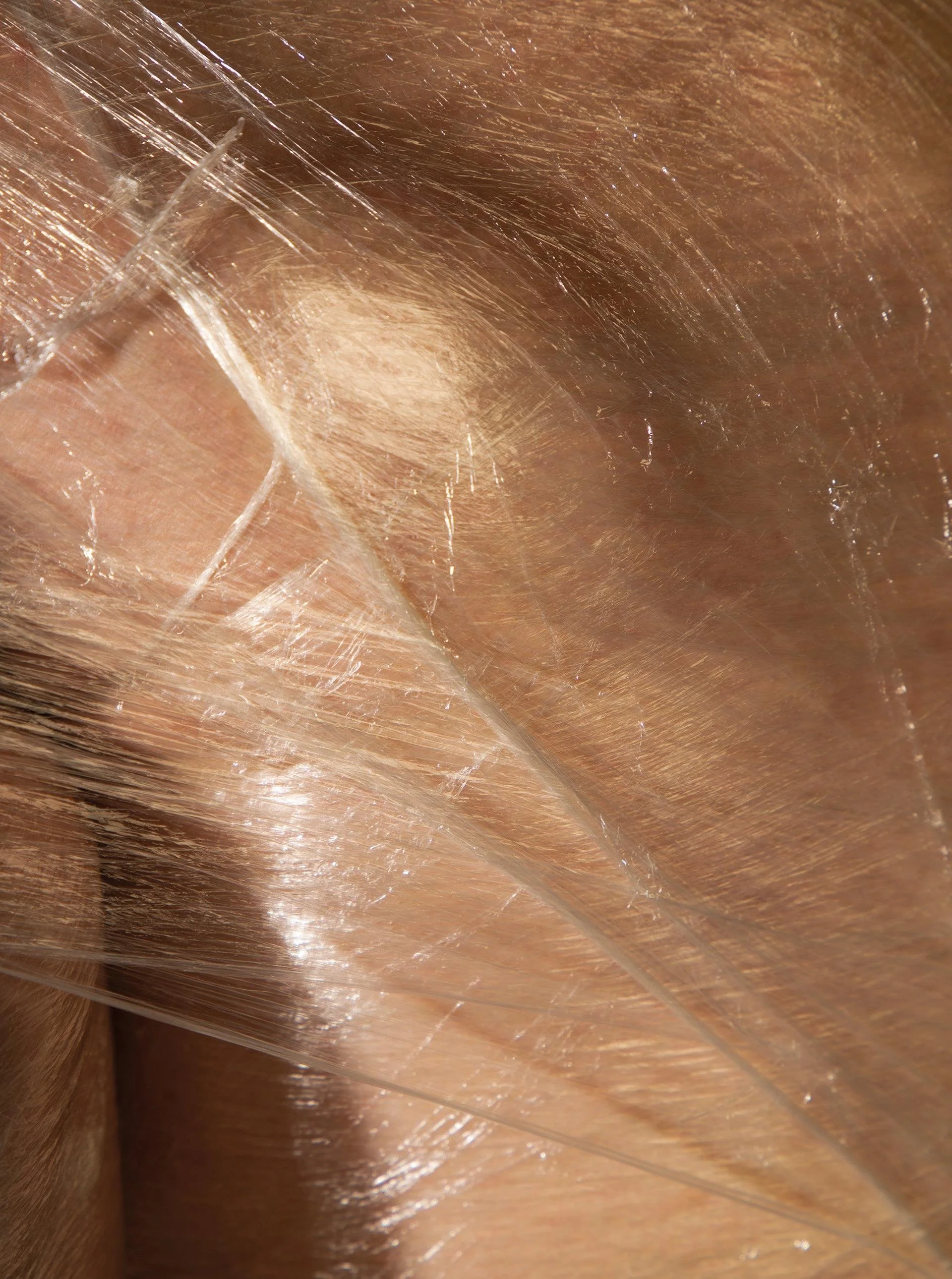
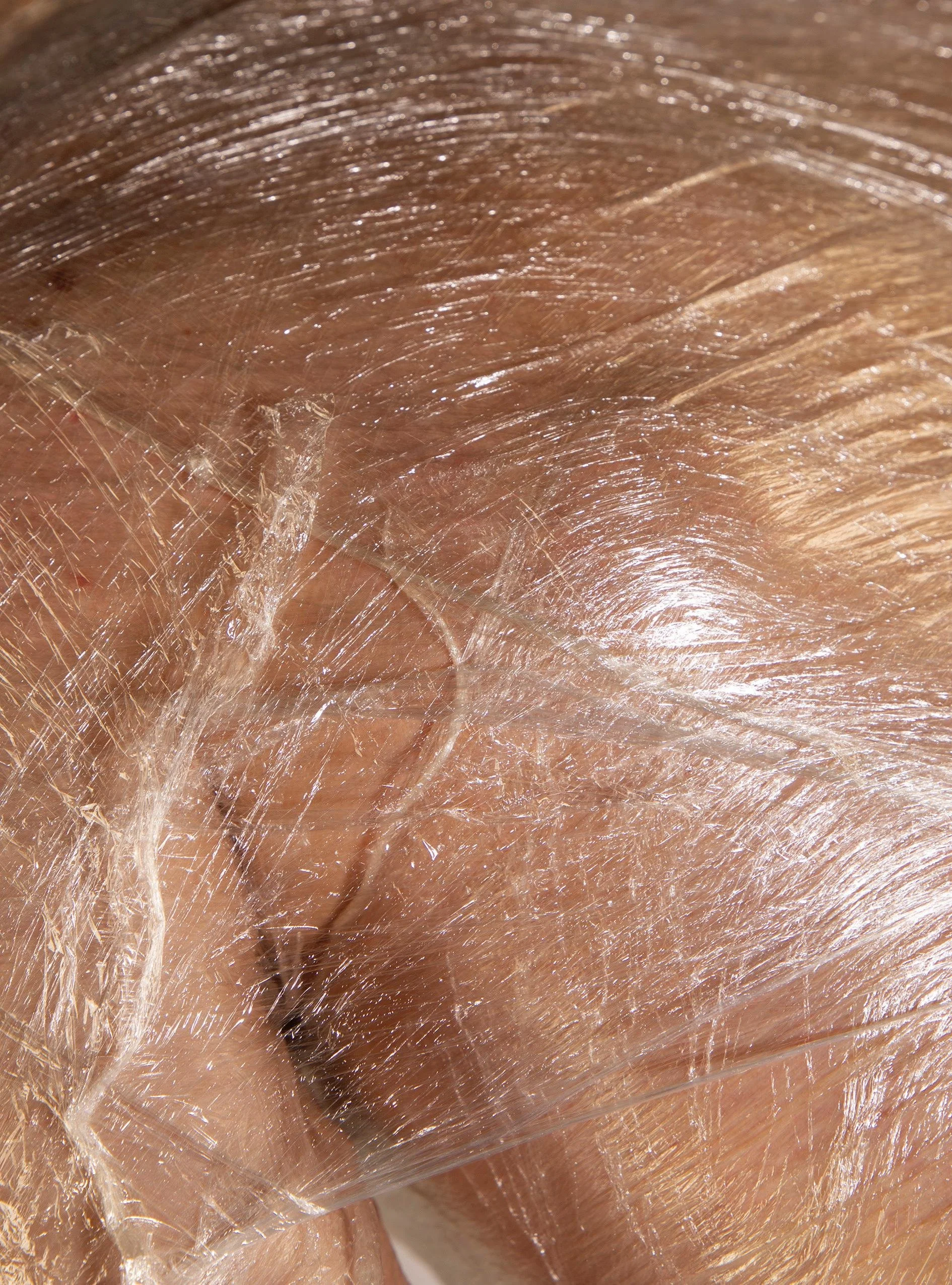
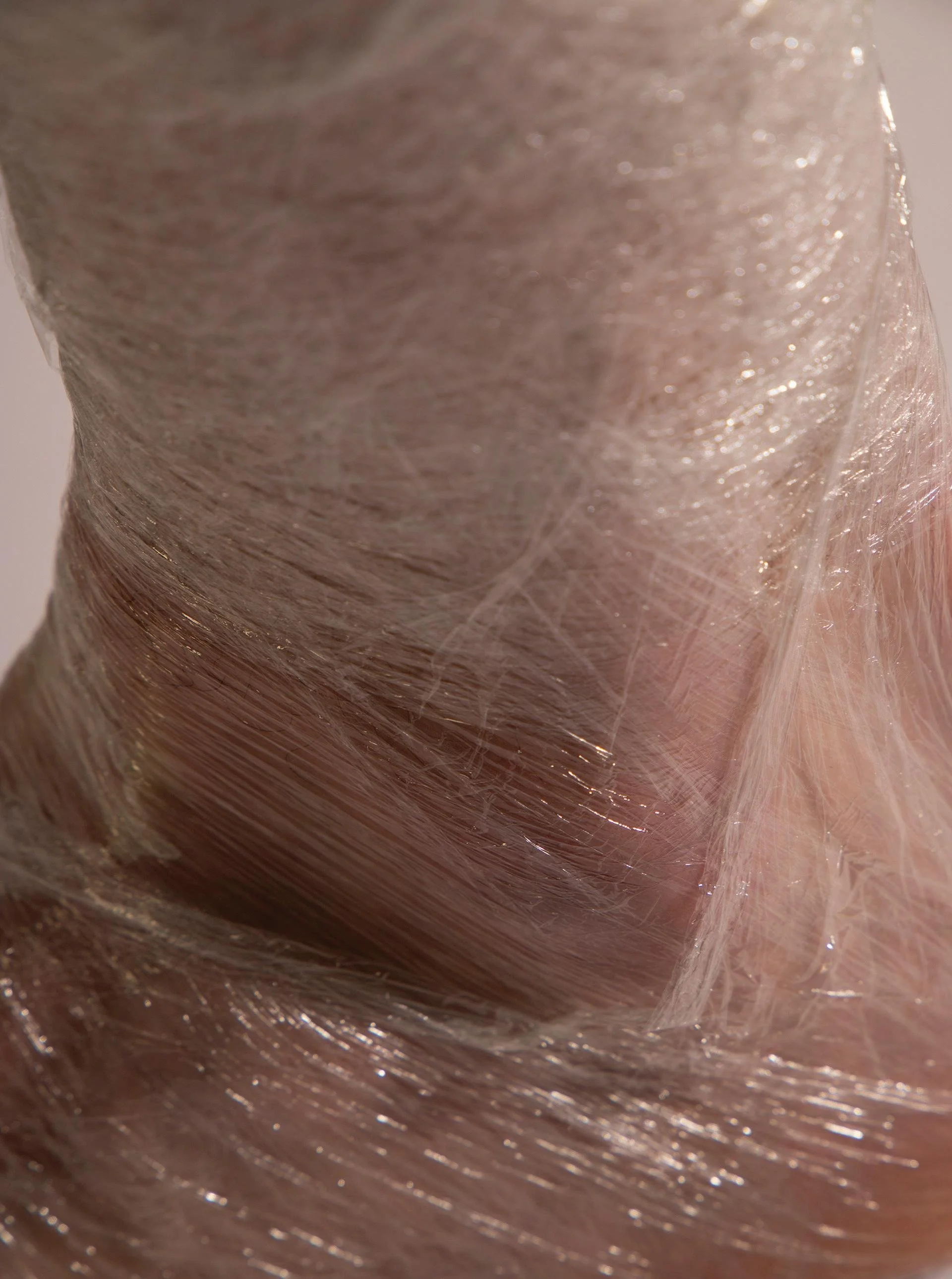
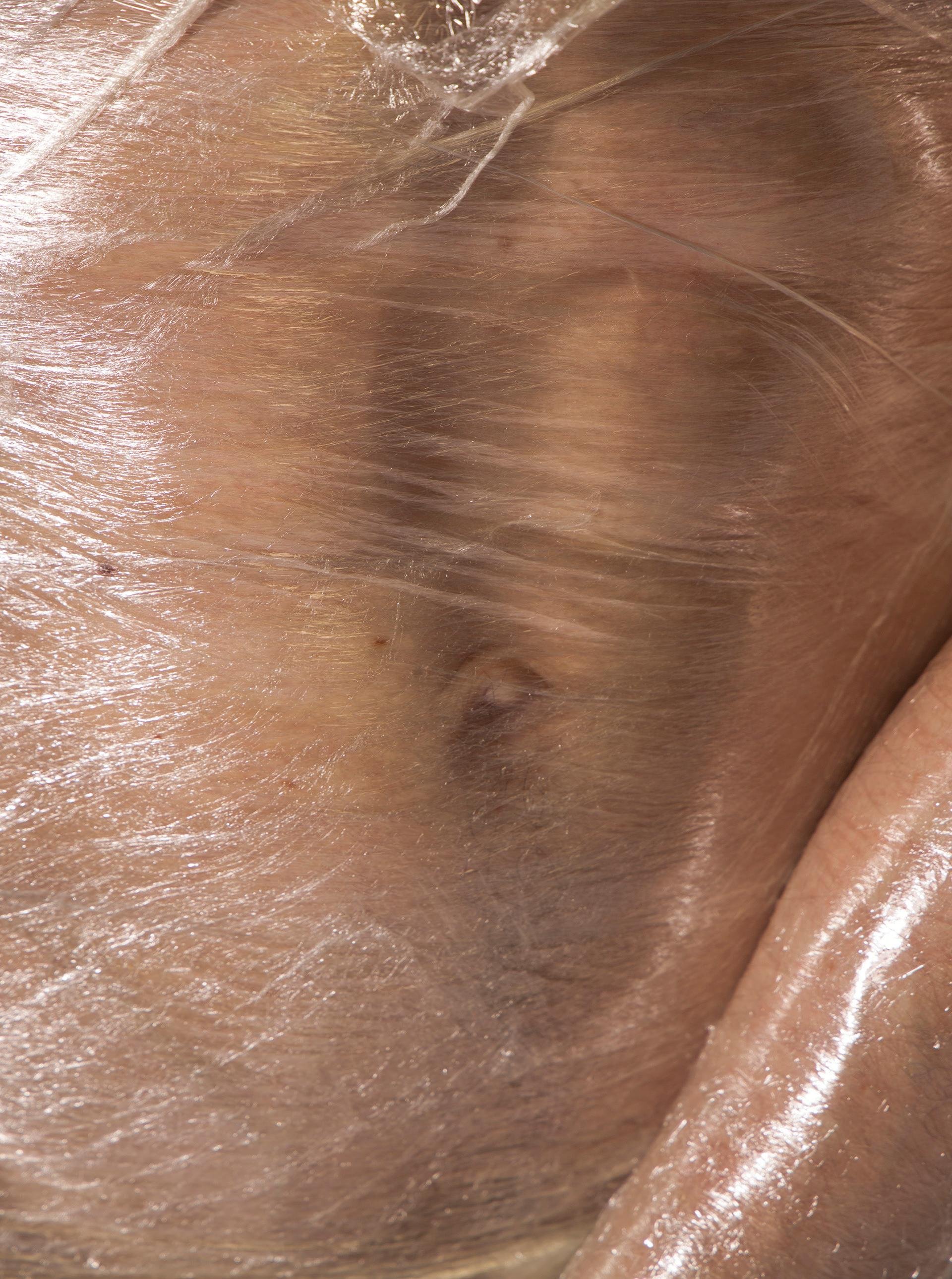
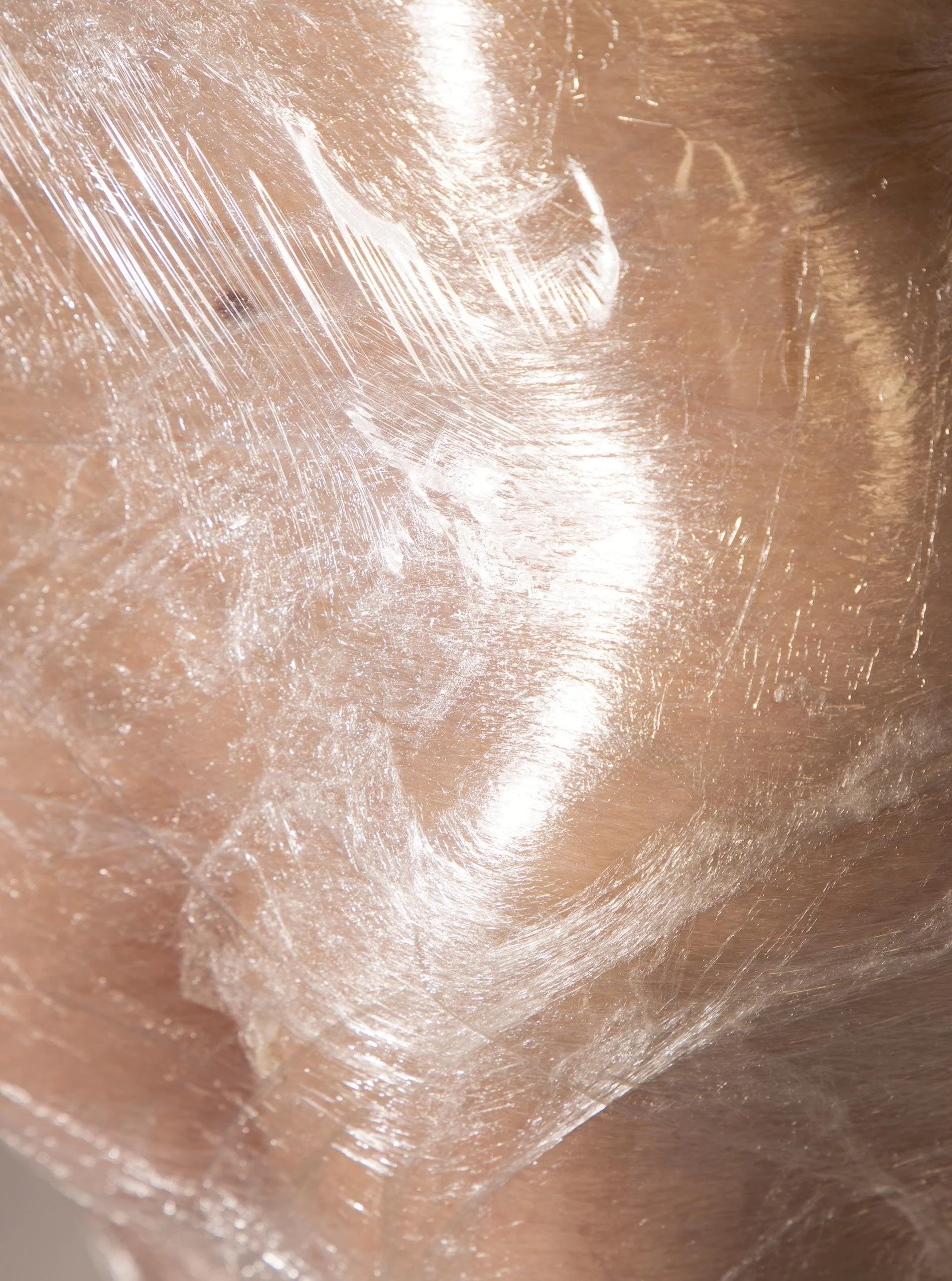
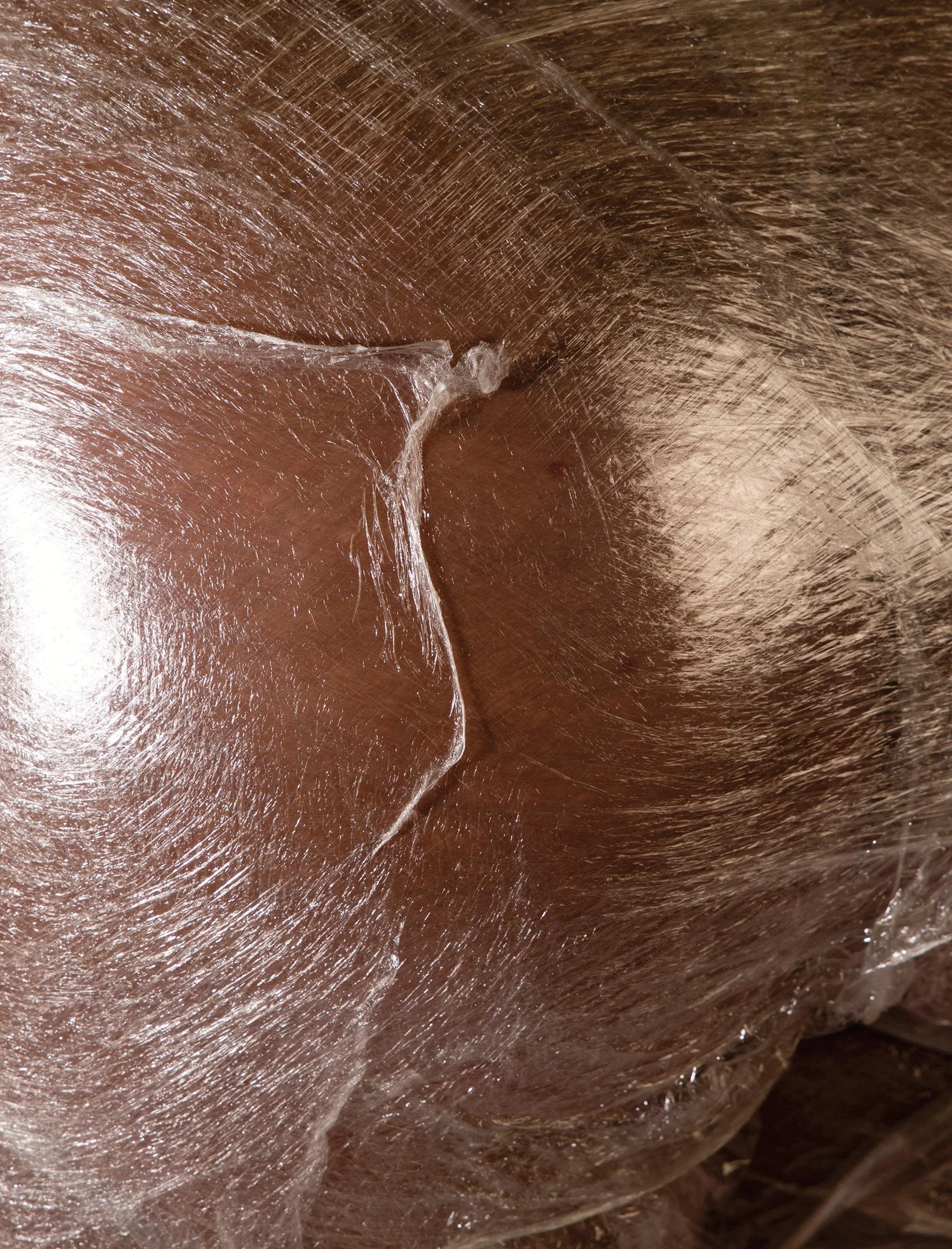
Pâture explore les dynamiques de réification, d'asphyxie existentielle et de marchandisation du corps contemporain. À travers l'usage du film plastique comme seconde peau restrictive, le projet met en scène l'aliénation quotidienne de l'individu, pris au piège d'un système qui sature l'espace mental et physique jusqu'à l'étouffement. La chair, compressée et fragmentée, y est dépouillée de son identité singulière pour être réduite à un pur objet de consommation visuelle, sexuelle et sociale.
La série s'intéresse à la matérialité de la contrainte. En scellant les corps sous une membrane translucide, la photographie capture la tension du souffle retenu, métaphore visuelle du stress systémique et de la perte de soi. Pâture construit une ambiguïté formelle où la peau oscille constamment entre l'objet de désir et la matière carnée, interrogeant la manière dont l'humain est capitalisé par le marché et ses pulsions. La lumière et l'ombre agissent comme des outils de dissection plastique, renvoyant au spectateur la responsabilité éthique de son propre regard, ici complice de la mise en pâture du vivant.
Pâture explores the dynamics of reification, existential asphyxiation, and the commodification of the contemporary body. Through the use of plastic wrap as a restrictive secondary skin, the project stages the daily alienation of the individual, trapped within a system that saturates both mental and physical space to the point of suffocation. The flesh, compressed and fragmented, is stripped of individual identity, reduced to a mere object of visual, sexual, and social consumption.
The series focuses on the materiality of constraint. By sealing bodies beneath a translucent membrane, the photography captures the tension of suspended breath—a visual metaphor for systemic stress and the loss of self. Pâture constructs a formal ambiguity wherein the skin constantly oscillates between an object of desire and raw carnal matter, questioning how the human being is capitalized by both the market and its impulses. Light and shadow operate here as tools for plastic dissection, shifting the ethical responsibility back onto the viewer, whose own gaze becomes complicit in the feeding ground (la mise en pâture) of the living.